
Silicone gel implants, placement tailored to you.
Calf augmentation uses silicone gel implants — soft, flexible, shaped to match the natural contour of the calf — placed through a small incision behind the knee. It is a less common procedure than most on our roster, and one that benefits from specific technical experience in implant selection, pocket dissection, and post-operative management.
At NCSS, calf augmentation is a specialty of Dr. Douglas Hendricks, who has performed the procedure for decades as part of his broader body contouring practice. Patients seek him from throughout Orange County and beyond specifically for this work.
Four primary indications bring patients to consultation:
Who this procedure is designed for.
Calf augmentation addresses a specific set of anatomic and aesthetic concerns. The consultation determines whether your anatomy and goals are a match.
Congenital calf hypoplasia — including post-clubfoot
Under-developed calf muscle from birth. A significant portion of patients presenting for this indication had childhood clubfoot correction and want the calf brought into proportion with the corrected foot.
Post-injury or post-polio calf atrophy
Unilateral or bilateral calf atrophy following muscle injury, prolonged immobilization, or polio. Standard reconstructive indication.
Gender-affirming calf shaping
Calf augmentation as part of a broader gender-affirming plan. Dr. Hendricks coordinates with a patient's other providers where appropriate.
Aesthetic augmentation for well-developed thighs / smaller calves
Patients (often bodybuilders) whose upper legs are well-developed but whose calves have not responded proportionally to training.
Realistic understanding of the implants
Soft silicone gel implants — flexible and shaped for the calf anatomy. Palpable when pressed. Not appropriate for patients seeking a completely undetectable augmentation.
Adequate skin envelope
Requires enough skin elasticity to accommodate the implant without visible tension. Very lean patients may need implant size adjusted accordingly.
Realistic recovery expectation
Calf augmentation has a longer functional recovery than most body procedures — walking is initially uncomfortable, and full return to demanding lower-body exercise takes 8–12 weeks.
Not for chronic calf pain of unclear etiology
Cases of chronic bilateral calf pain without clear anatomic cause should be worked up medically before considering augmentation — the pain will not be improved by adding volume.
Every scheduled surgical patient is offered a free Rest-Assure pre-operative consultation with Dr. Rand Scott personally — medical history, medication planning, and discharge coordination before surgery day.
Three stages, one procedure.
Calf augmentation is a same-day outpatient procedure performed under physician anesthesia:
Implant selection during consultation
Implant volume, shape, and profile are selected based on your existing calf anatomy, your aesthetic goals, and any asymmetry to correct. Silicone gel implants specifically shaped for the calf anatomy.
Small posterior-knee incision
A small incision is made in the natural crease behind the knee — the resulting scar sits in a naturally hidden location.
Placement determined by surgeon and patient
Implant placement — submuscular, subfascial, or in some cases combined — is a surgical judgment made by Dr. Hendricks in consultation with the patient, based on the specific anatomy, the indication, the implant selected, and the aesthetic goal. There is not one correct placement for every case.
Careful hemostasis
Bleeding control is meticulous — hematoma is the most common early complication and specifically preventable through careful technique.
Bilateral or unilateral
Patients with congenital hypoplasia, gender-affirming, or aesthetic goals typically receive bilateral augmentation for symmetric result. Post-injury asymmetry patients receive unilateral augmentation to match the healthy side.
Postural drainage protocol
Post-operative drainage protocol involves specific leg positioning to reduce swelling — critical for comfort during recovery.
Physician anesthesia every case, in our AAAHC-accredited operating rooms — no CRNAs.
Two sites. One recovery.
Calf augmentation recovery is longer than most body procedures because ambulation is affected. Dr. Hendricks's protocol produces reliably good recovery when patients follow the guidance. Realistic timeline:
Discharged the day of surgery. Legs elevated whenever possible. Walking is possible but uncomfortable — assistive device (crutches or cane) helpful. Ice and elevation prioritized.
Progressive improvement in walking comfort. Compression stockings worn continuously. Return to fully sedentary desk work possible at day 5–7 for most patients.
Walking becomes progressively more comfortable. Compression continues. Progressive return to normal daily activity — but no exercise involving the calves.
Standing endurance improves substantially. Short walks for exercise resumed. Continued avoidance of high-impact activity.
Progressive return to full exercise including running and demanding lower-body training. Timeline varies by individual healing and by the demands of your specific exercise.
Full recovery. Final aesthetic result apparent. Implants have fully settled into their long-term position.
Implants are durable. Skin envelope accommodates them normally. Aging affects surrounding tissue but not the implants themselves. Occasional patients elect to size up or down years later; this is a straightforward revision.
Every calf augmentation patient at NCSS is covered by our Rest-Assure program: physician anesthesia on the day of surgery, one nurse from arrival through discharge, and post-operative direct access to your surgeon — not an answering service.
Dr. Hendricks. Specialty focus.
Calf augmentation at NCSS is performed by Dr. Douglas Hendricks — a specialty within his broader body contouring practice. Patients present with a range of indications from post-clubfoot restoration through gender-affirming to aesthetic enhancement.
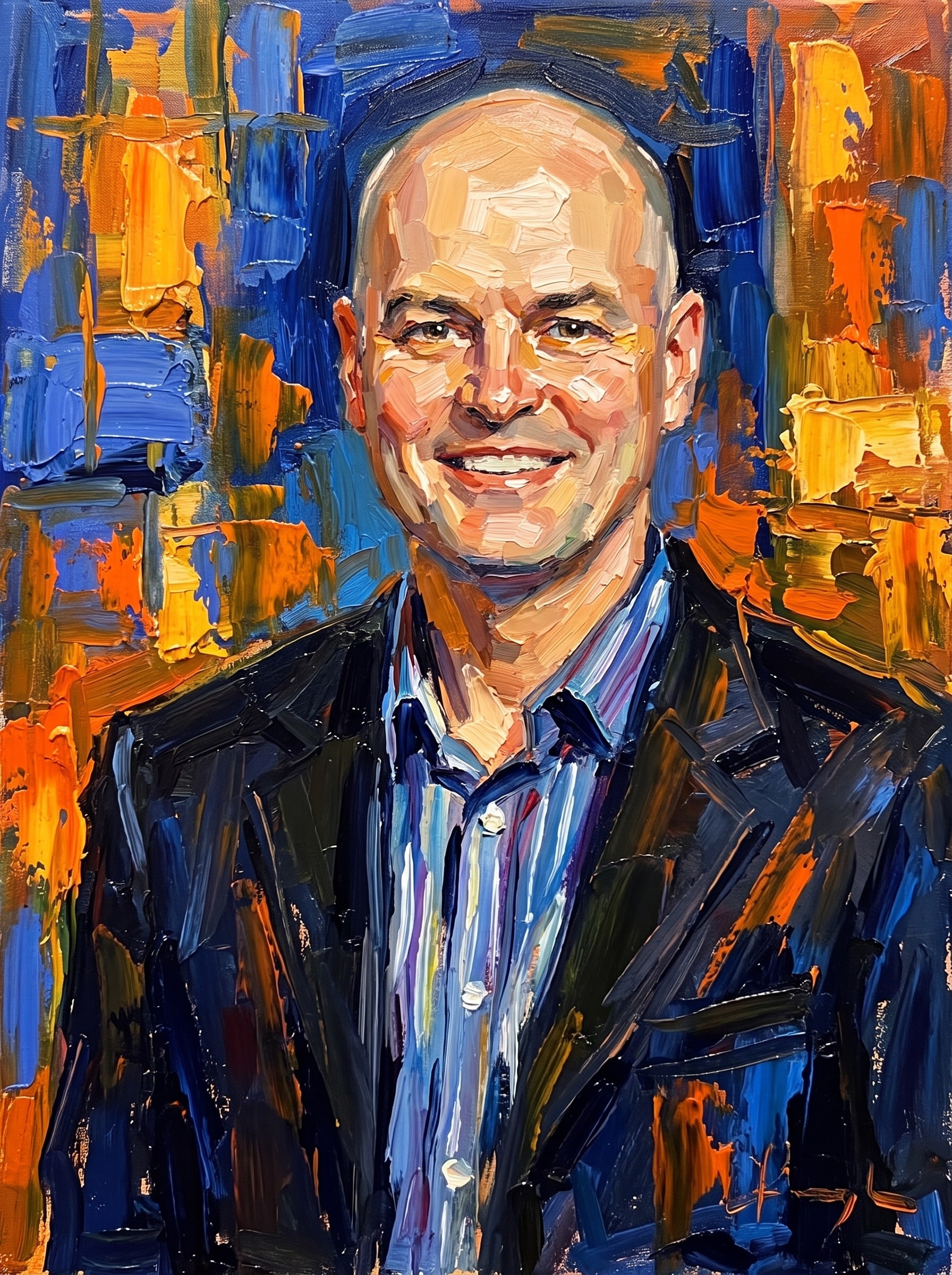
Douglas Hendricks, MD
TRIPLE-BOARDED PLASTIC SURGEON · BODY CONTOURING SPECIALTYNewport Beach practice since the 1990s. Regional leader in refined body contouring including Renuvion and calf augmentation. Patients travel to see him for both.
Meet Dr. Hendricks →The right starting point is a conversation.
Every calf augmentation consultation at NCSS begins with Dr. Hendricks — an honest assessment of your anatomy, your indication, and whether implant augmentation is the right approach.
Call (949) 644-8182Monday–Thursday, 8am–3pm · Friday by appointment only.
Related procedures.
Liposuction
Often combined with calf augmentation to refine the ankle and lower leg contour for optimal proportions.
Learn more →Body Fat Grafting
For patients whose calf contour concerns are modest enough that grafting rather than implant may suffice — consultation determines the fit.
Learn more →Post-Weight-Loss Surgery
The broader body contouring category for patients whose calf work is one component of comprehensive post-weight-loss reshaping.
Learn more →